



Malt in Craft Beer: A Story of Flavors
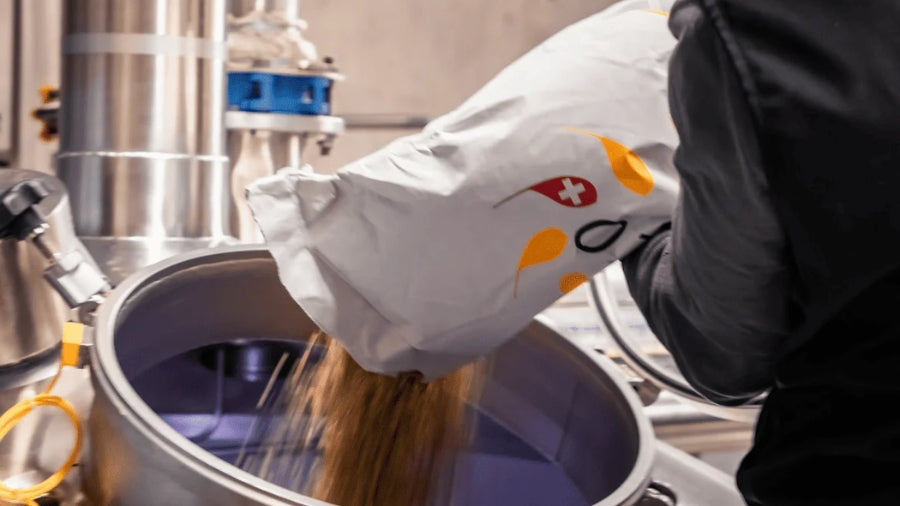
Hops often steal the spotlight with their exotic notes, but the true architect of our beers remains malt. While every fundamental ingredient plays a specific role in a beer's balance, malt stands out as the central pillar of any brewing creation. This transformed grain, which defines the DNA of every beer from its beginnings, deserves our attention. As the primary source of fermentable sugars and the master craftsman of fundamental flavors, malt determines the character of each beer, from the lightest to the fullest-bodied. It is such a crucial ingredient that it influences up to 80% of a beer's final flavor profile, while also contributing to its texture, color, and stability.
Malting: A Precise and Multi-Faceted Process
Barley Transformation: A Millimetric Science
Malting transforms raw barley into a sophisticated brewing ingredient. The process begins with steeping, increasing the grain's moisture content from 12% to 45%. This crucial phase triggers a series of complex biochemical changes within the grain. The temperature and duration of steeping are meticulously controlled to ensure optimal germination without compromising grain quality.
The subsequent germination represents a true biochemical metamorphosis. Enzymes, acting as molecular tools, break down starch into simple sugars and transform proteins into amino acids. This step profoundly alters the internal structure of the grain, preparing it to release its sugars during brewing. Controlling moisture and temperature during this phase is crucial: too much moisture would promote mold growth, while too little would limit enzymatic activity.
The Stirling, a gluten-free Pale Ale, perfectly illustrates the importance of this precision. Its blend of Pale Ale and Caramünch malts creates a balance between biscuity notes and hints of caramel, enhanced by the citrus of the hops. This beer demonstrates how careful malt selection can achieve a complex yet accessible flavor profile, even for gluten-free beer lovers.
Kilning: The Art of Controlled Roasting
Kilning, the final stage of malting, forges the character of the malt through meticulously controlled drying. This critical phase determines not only the aromatic characteristics of the malt but also its enzymatic potential and final color.
Below 85°C, enzymatic activity is preserved for light malts, essential for the production of light and refreshing beers. The Zepp, our Craft Lager, benefits from this delicacy: its Pilsener and Carapils malts create a subtle and balanced base, allowing for the expression of floral notes reminiscent of a spring bouquet. Similarly, Moonshine, our wheat beer, uses these light malts to develop a silky texture and a refreshing crispness.
Between 85°C and 100°C, bread and biscuit notes develop, thanks to Maillard reactions. These complex reactions between amino acids and sugars create hundreds of different aromatic compounds, each contributing to the rich taste of the malt. The exact duration and temperature determine the intensity of these aromas, allowing maltsters to create precise profiles for each type of malt.
Above 100°C, caramelization comes into play. This process transforms simple sugars into more complex compounds, developing aromas ranging from light caramel to intense toffee. The highest temperatures, up to 230°C, produce heavily roasted malts with intense coffee and dark chocolate aromas. These malts are particularly important in dark beers such as stouts and porters.
Specialty Malts: Ingredients with Multiple Personalities
From Light to Roasted Malts: The Spectrum of Possibilities
Specialty malts are the brewer's spices, each bringing its unique signature. Caramel malts develop notes ranging from candied fruit to toffee depending on their roasting degree, creating an essential aromatic complexity in many craft beers. Chocolate malts offer aromas of freshly roasted cocoa, a signature of craft Stouts and Porters, while biscuit malts bring notes of freshly baked pastries. This diversity allows brewers to create precise and complex flavor profiles.
Our Double Oat is living proof of this. This complex Double IPA skillfully blends Pale Ale and Pilsner malts to create a solid base, enriched by the addition of oats which provide a characteristic silky texture. The oat flakes, treated differently from traditional malts, contribute not only to the texture but also to the aromatic profile with their distinctive cereal notes that perfectly complement the tropical aromas of Mosaic hops.
Blending: A Balancing Act
Malt blending requires jeweler-like precision and a deep understanding of their interactions. Every gram influences not only the flavors but also the texture, color, and head retention. Base malts form the skeleton of the recipe, providing the fermentable sugars necessary for fermentation and defining the fundamental character of the beer.
This base is then enriched by specialty malts, used in smaller but crucial proportions. Their delicate dosing can make the difference between a balanced beer and an unbalanced creation. An excess of heavily roasted malts can quickly dominate the flavor profile, while an insufficient proportion of caramel malts can leave a beer lacking depth.
L'Embuscade, our signature IPA, perfectly demonstrates this art of blending. Pale Ale malt forms the solid base, Munich brings a subtle malty richness, while Caramünch adds a touch of caramel that perfectly balances the bitterness and citrus notes of the generous hopping. This precise combination creates a remarkably balanced 6.4% IPA, where the malts support and complement the hoppy character without ever masking it.
Innovations in Malting: A World in Motion
Malting continues to evolve thanks to technological advancements. Modern malting techniques allow for unprecedented control over the process, producing malts with precise and consistent enzymatic properties. Real-time spectrometric analyses monitor grain modification during germination, while automated control systems maintain optimal conditions throughout the process.
Brewing barley varieties are also subject to continuous innovation. Breeders are developing varieties that offer better extract yield, optimal protein content, and more uniform modification during malting. These improved characteristics allow maltsters to produce higher-performing malts with more precise aromatic profiles.
Sensory analysis plays an increasing role in the development of new malts. Professional tasting panels systematically evaluate the organoleptic characteristics of malts, allowing malt houses to develop products that precisely meet the expectations of craft brewers. This scientific approach to sensory analysis contributes to innovation while maintaining consistency in aromatic profiles.
Artisan maltsters are also experimenting with different grains, from rye to oats, as well as wheat and even more exotic grains. This diversification enriches the brewers' palette and opens the door to unprecedented taste expressions. Our Double Trouble, a daring Double IPA, illustrates how these innovations make it possible to create unique beers: its Pilsner malt base is complemented by Munich malt and sugar, creating a perfect backdrop for its explosive tropical notes of mango and papaya.
Conclusion
This perpetual quest for new flavors remains at the heart of craft beer. The mastery of malts, their meticulous selection, and precise blending define the difference between an ordinary beer and a memorable creation. A subtle art that continues to evolve, allowing brewers to push the boundaries of what's possible while respecting the fundamentals of ancient craftsmanship.
The future of malting promises to be as exciting as its history is rich. Technological innovations, combined with an ever-deeper understanding of the biochemical processes involved, open the way for new possibilities of expression for craft brewers. This continuous evolution ensures that the world of craft beer will continue to surprise and delight lovers of good beers.


