



What beer should I serve at the end of a meal to replace a digestif?
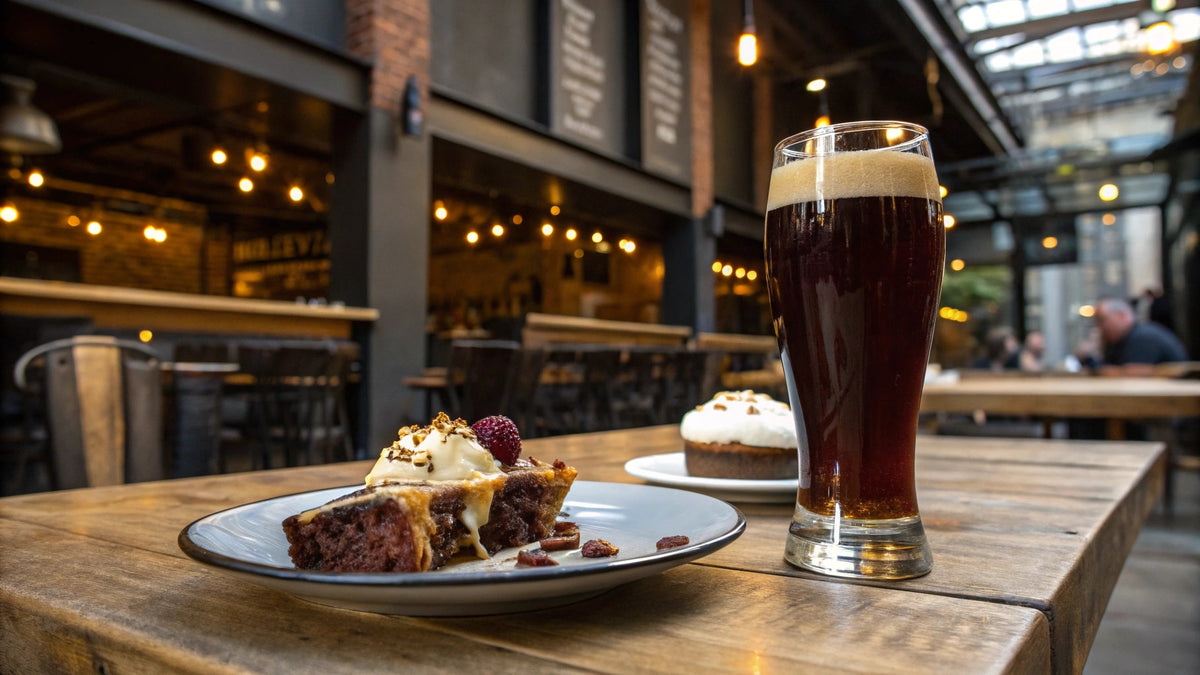
The digestif, that after-dinner ritual where dusty bottles are pulled from the cupboard, with the thought that only spirits belong there. As if cognac and armagnac had signed a lifelong lease on the end of the evening.
Bad news for them: a strong craft beer does the job just as well. Or even better.
We're not talking about the industrial lager languishing at the back of the fridge. We're talking about beers with an alcohol content between 7 and 12%, and aromatic profiles that rival a good cognac. Belgian Tripels with fruity and spicy notes, malty Barley Wines that age like fine wine, tropical Double IPAs with a velvety texture.
In fact, serving a strong beer as a digestif is nothing revolutionary. In Belgium, Trappist and Tripel beers have accompanied the end of meals for centuries. In French-speaking Switzerland, we've just let spirits monopolize this spot for a little too long.
Three ideal beer styles to replace a digestif
Not all beers are equally suited for after-dinner. You need presence, complexity, and a substantial alcohol content. Here are three styles that play in the big leagues.

1. Belgian Tripel (7-9%): Fruity roundness and spicy notes
The Belgian Tripel is something of a discreet star among digestifs. With an alcohol content between 7 and 9%, it hits the sweet spot where it becomes interesting without being overwhelming.
What makes it perfect for after-dinner? Its roundness. Fruity notes of ripe banana, apricot, sometimes even pear. All enveloped in a spicy touch derived from the work of Belgian yeasts. Clove, white pepper, a hint of honey. The kind of profile that prolongs enjoyment without overwhelming the taste buds.
L'Estafette, which we brew here in Renens, perfectly illustrates this style. At 7%, it balances malty sweetness with vibrancy. Aromas of ripe fruit, a slight bitterness on the finish that cleanses the palate. Exactly what you look for after a hearty meal.
2. Barley Wine (8-12%): Malty power and candied fruits
Barley Wine, literally "barley wine." The name says it all. These are beers with an alcohol content between 8 and 12%, with an aromatic richness that rivals the finest spirits.
Caramel, toasted bread, dried fruits. Barley Wine develops notes of candied figs, dates, molasses. Some barrel-aged versions add woody, vanilla notes, reminiscent of a good port or sherry.
What makes it unique? Its aging potential. Like a fine wine, Barley Wine improves with time. Years in the cellar can transform these beers, bringing even more complexity. Perfect after a rich meal. This style has enough character to stand up to any dish.
3. Double IPA (8%+): Tropical creaminess and silky finish
A Double IPA as a digestif? That might surprise you. Yet, some versions play this role perfectly.
We're talking about Double IPAs rich in oat flakes, like our Double Oat at 8%. These beers develop a velvety, almost creamy texture, which changes everything. Mango, pineapple, passion fruit. Tropical aromas that explode on the nose but without the aggressive bitterness of classic IPAs.
Oats and wheat provide this mouthfeel roundness. A sweetness that contrasts with the alcoholic potency. The result? A beer that's surprisingly easy to drink despite its 8%, with a finish that remains fresh.
The Double Oat hides its true nature well. Its silky texture and fruity aromas make you forget it's a strong beer. Dangerous, but incredibly effective after dinner.
Which craft beer style to choose based on your dessert?
A digestif is good. The right pairing between your beer and your dessert is even better. To truly understand how to analyze flavors and create pairings that work, discover our complete guide to tasting craft beer.

Intense dark chocolate → Malty and roasted beers (Craft Stouts and Porters)
Dark chocolate demands a strong match. Beers with roasted malts, notes of cocoa, coffee, burnt caramel.
Stouts obviously work. But a dark Tripel or a malty Double IPA can also fill this role. The idea? To create a resonance between the chocolate aromas of the beer and those of the dessert.
The bitterness of dark chocolate finds its balance in that of the beer. The malty sweetness softens the whole. A chocolate lava cake with a beer rich in roasted malts is the kind of pairing that makes an impression.
Caramelized desserts → Tripels with honey and biscuit notes
Tarte Tatin, crème brûlée, caramel desserts. These sweet creations call for beers that play in the same aromatic register.
Belgian Tripels, with their notes of honey, biscuit, and butter caramel, create a perfect harmony. No conflict, just a mutual amplification of flavors.
L'Estafette, for example, with its fruity and slightly sweet touches, enhances a caramelized apple tart. The carbonation cleanses the palate between each bite.
Fruit tarts → Double IPAs with tropical aromas
Fruity desserts require freshness. Beers that bring lively, tangy notes, without overwhelming the fruit.
The Double Oat, with its mango and pineapple aromas, perfectly accompanies an exotic fruit tart. Or even a fresh fruit salad. The tropical aromas of the beer extend those of the dessert.
The slightly bitter side of the Double IPA balances the sweetness of the dessert. And its velvety texture adds a creamy dimension that enriches the whole.
Want to go further in beer and food pairings? We reveal all the secrets to successful food pairings.
Dare to use craft beer to surprise your guests at the end of a meal
Serving a strong craft beer as a digestif is breaking the rules. With class.
Forget the idea that beer is just for appetizers or barbecues. A 7% Tripel, a 12% Barley Wine, a well-crafted Double IPA deserve as much respect as a good Armagnac.
A few practical tips for success:
Serve between 8 and 12°C depending on the style. The stronger the beer, the warmer it can be served. A Tripel is fine at 8-10°C. A Barley Wine expresses itself best at 12-14°C.
Opt for small portions. A tasting size of 15 to 20 cl is sufficient. Offer your digestif beer after coffee. Or even instead of it. It works in both cases. The important thing is that your guests have finished their main course.
And if you really want to impress? Bring out two or three different styles. Let your guests choose according to their preferences. Tripel for those seeking sweetness, Barley Wine for power enthusiasts, Double IPA for the curious.
Temperature, glass choice, ideal serving moment: discover all our techniques for serving your beers like a pro.
Craft beer as a digestif is not a brewer's whim. It's a meaningful practice. Centuries of Belgian tradition prove it. It was time for us to reclaim it in French-speaking Switzerland.
Cheers 🍻


